
Checking for a Warrant in Norman
Nebraska JUSTICE is the free first stop. Search by party name, then narrow to Kearney County, year, court, and case type when those filters appear. The case page can show the case number, citation, warrant event, payment, bond, and recall status. For live status, call County Court at 308-832-2719; for agency process, call the Sheriff at 308-832-2805.
- Identify Norman as the place connected to the case, if the record says so.
- Find the public case and court level in JUSTICE.
- Call County Court with the case number and ask what the court requires.
- Call the Sheriff for non-emergency law-enforcement routing.
No local Norman warrant search or municipal-court portal was located.
Norman's Village Hall Reference
A federal notice once listed 116 Norman Avenue as a Village Hall reference. That is all it is: a building on paper. It confirms no clerk, no office hours, no police coverage, and no counter where a warrant could be paid. Norman publishes no website. So the reliable public route for Norman runs through County Court and the Sheriff. Verify the address locally before treating it as a place to appear.
Norman Police and Municipal Court
Norman posts no police page, court portal, or warrant list. Nothing official suggests a local department exists. Nebraska's Judicial Branch routes city and village ordinance cases straight to County Court.
Norman's County-Plan Geography
County planning maps place Norman south of Highway 74. That is geography, nothing more. No police boundary, court office, or patrol contract can be read from a map line, so real routing goes through the published County Court and Sheriff numbers.
Norman is the smallest ranked place in the county. That population figure says nothing about police coverage, response, or court activity here.
Norman Warrant Types
A Norman case can involve traffic, village ordinance, bench, or arrest process. Traffic and ordinance matters generally go to County Court. A bench warrant follows a missed court date or unpaid duty, while an arrest warrant follows a complaint and a probable-cause finding. With no local portal, the court route still governs.
| Type | Norman path | Confirm with |
|---|---|---|
| Traffic | County Court citation or missed date | County Court |
| Ordinance | Village-originating matter filed in County Court | Court and named agency |
| Bench | Missed setting, payment, or court order | Issuing court |
| Arrest | Complaint and probable cause | Court and executing agency |
Norman's Population Record Is Not a Caseload
The Census incorporated-place table supplies Norman's 2020 population figure. It carries no warrant counts, court filings, or police detail.
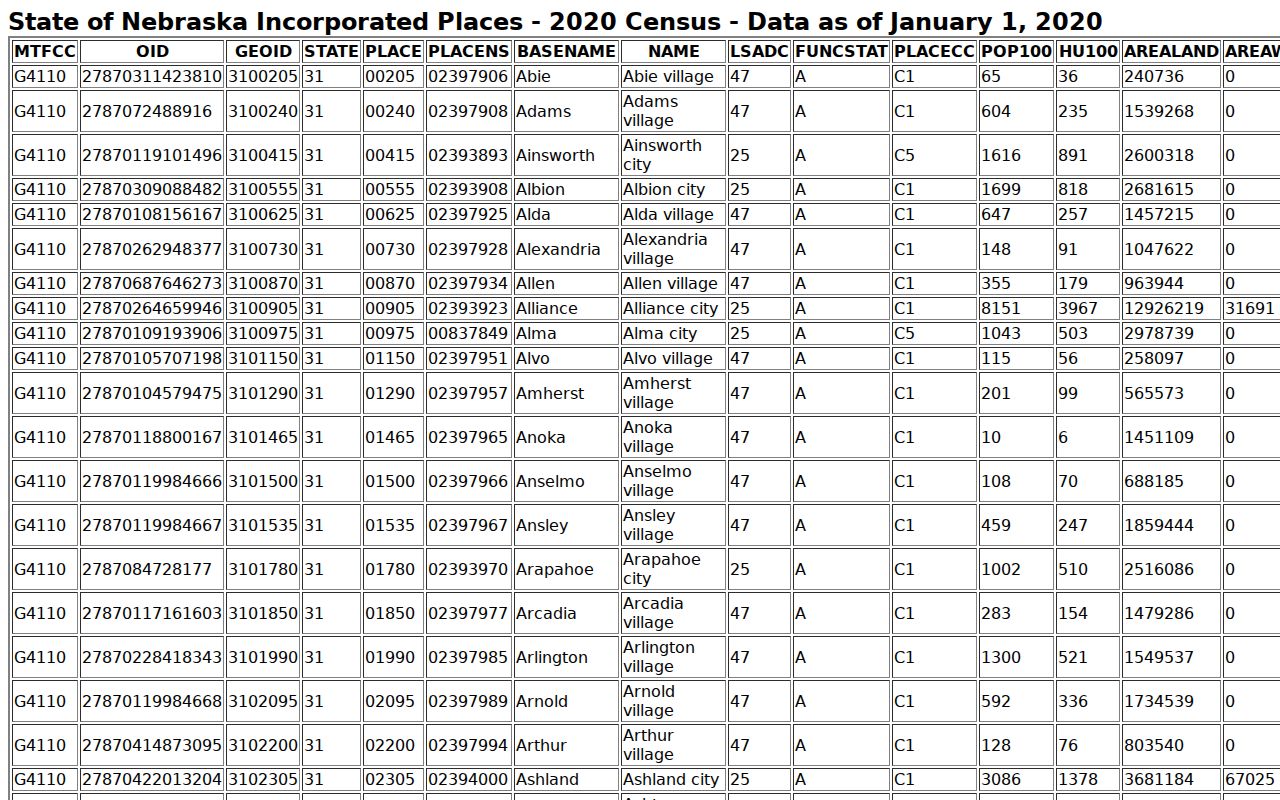
The Census figure is context for Norman, nothing more. It comes from a population count, not from the court or the Sheriff, so the real warrant route still runs through those offices.
Inside a Norman Warrant Record
A public case may tie Norman to a citation. County Court holds the case number, event register, payment and bond entries, warrant events, recalls, and the next hearing date. Police files sit elsewhere. Check the court and the filing date before asking any office to interpret the record.
| Warrant or case number | sample case number; confirm the actual number with the court. |
|---|---|
| Origin | Norman citation, village matter, or agency named in the case. |
| Court | County Court for traffic, misdemeanor, ordinance, and preliminary-felony matters. |
| Process | Warrant, service, return, bond, payment, hearing, and recall where public. |
| Access | Public, sealed, juvenile-confidential, or restricted marker. |
Norman's Reliable County Route
JUSTICE handles public case discovery. County Court answers status and recall questions. The Sheriff handles agency process. If a felony moves up to District Court, call the District Court Clerk at 308-832-1742. When no Norman office page answers the question, the county phone directory is the official routing aid. None of this means Norman lacks civic government or a law-enforcement arrangement; it is simply where the records live.
Norman Has No Located Local Office Hours
Norman publishes no village office hours, clerk contact, police coverage, court schedule, bond window, or post-warrant procedure. The 116 Norman Avenue reference needs local confirmation first. A federal notice is not a court instruction. Neither is a county planning map.
Before appearing: Call County Court or the Sheriff and confirm the office, current address, hours, payment method, and remaining court step.
How Norman Warrants Fit the County System
The flow runs one direction. A Norman case starts at County Court, or District Court for a felony, is served by the Sheriff or an authorized officer, and appears on JUSTICE for public lookup. Nebraska posts no statewide active-warrant roster. Federal cases fall outside this route and need the District of Nebraska or PACER. For the fuller picture, see the Kearney County warrant records overview. Norman detail stays limited to the village's official gaps and the county fallback.
Resolving a Norman Warrant
Call the issuing court with your case number in hand. Ask about payment, a plea, an appearance date, bond, counsel, or recall. Nebraska traffic guidance is clear: a warrant stays active until the court itself recalls it. Norman publishes no local payment or surrender details.
Use current contacts: The village-hall reference is not proof of a warrant counter or a local payment desk.
No amnesty day, compliance clinic, night court, or reduced-fine notice exists for Norman or the county. Check with the court before assuming any special program.
Norman Warrant Records and Public Access
The Nebraska Public Records Act, section 84-712, gives you a written request route. Section 84-712.05 can shield investigatory material. Juvenile and sealed records stay closed. Kearney County's exact copy and certification fees are not published, so ask for a specific case, register page, citation, order, payment, or recall entry by name.
Access boundary: A missing Norman web page is not a record result. Use the court or agency that owns the information.
The court-records policy describes public search and copy limits.